 Inverters
 Batteries
 Commercial
 EV Chargers
 Accessories
 Heat Pumps
 Radiators
 Greenlinx
North Yorkshire Council Project
Council Home Showcases an All-in-One Energy Management System
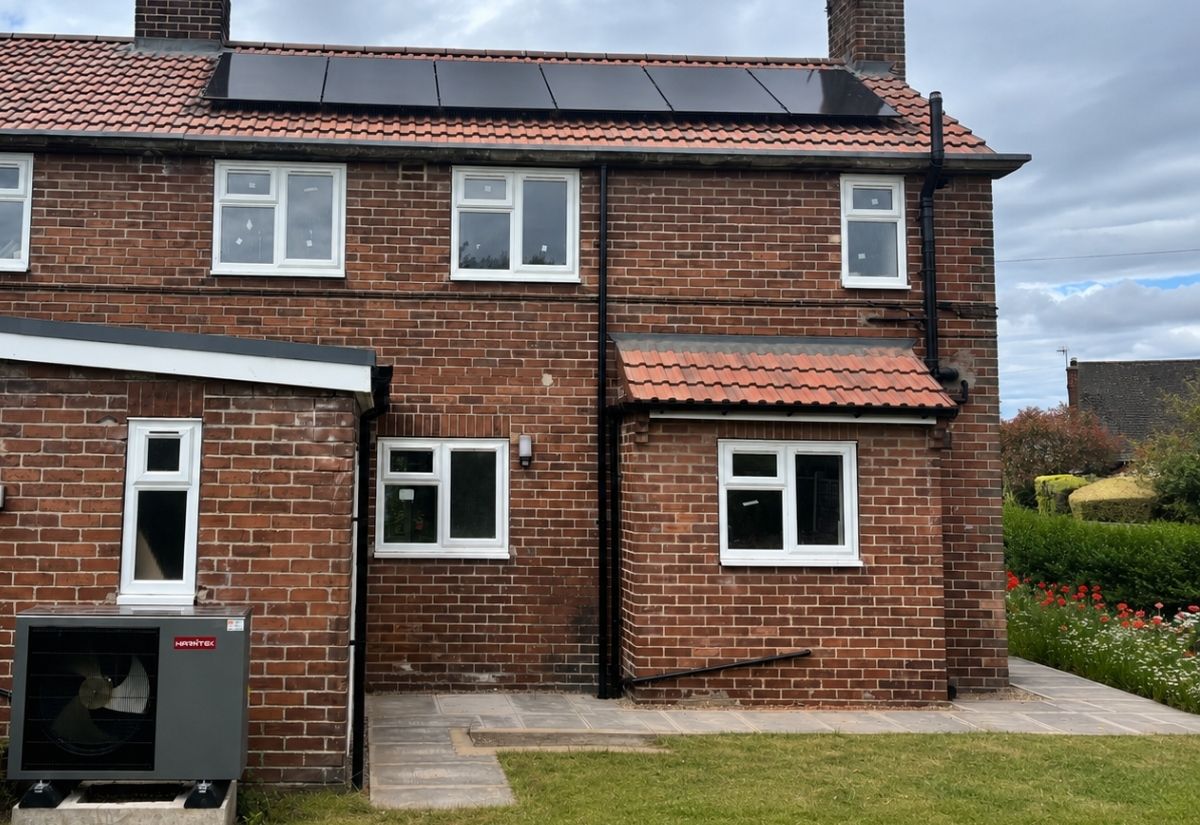
A council-owned home in North Yorkshire has been fitted with an integrated energy management system that brings together low-carbon heating, solar generation, battery storage and intelligent monitoring.
The installation forms part of North Yorkshire Council’s Wave 3 programme and demonstrates a more connected approach to creating lower-carbon, energy-efficient homes that remain practical and affordable for residents.
Rather than installing individual technologies and allowing them to operate independently, the project connects heating, generation, storage and household energy use within one complete home energy ecosystem.
The wider objective is to support warmer, more comfortable homes while helping to reduce energy costs, address fuel poverty and give housing and technical teams greater visibility of real-world system performance.
Connected Home Energy
The Products Behind the Connected System
The installation brings together low-carbon heating, heat delivery, battery storage and power conversion technologies designed to operate as one coordinated home energy system.
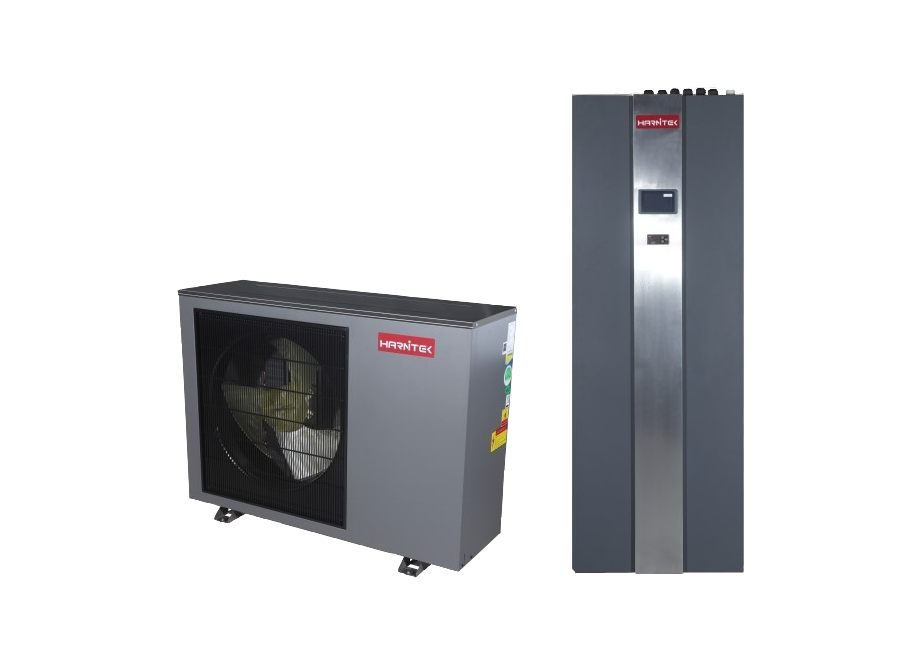
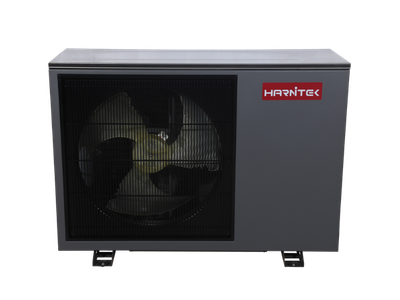 Harnitek Heat PumpProvides low-carbon heating for the property.
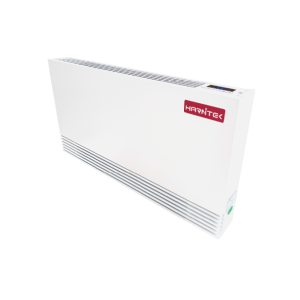
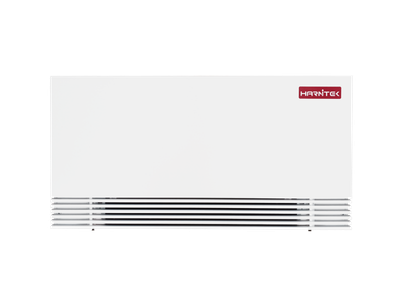 HeatBoost RadiatorsDeliver effective room heating at heat-pump flow temperatures.
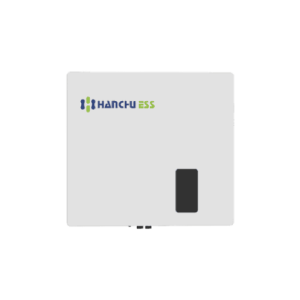
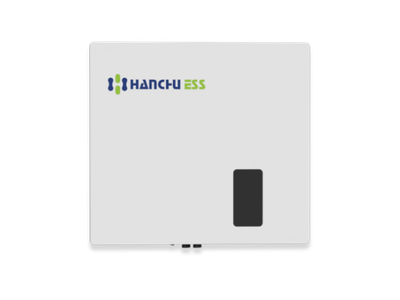 HANCHU ESS Hybrid InverterManages the flow of electricity between generation, storage and the home.
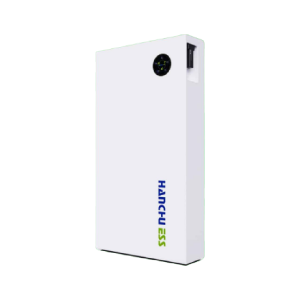
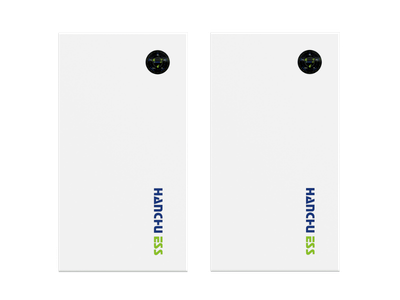 HANCHU ESS Battery StorageStores electricity for use when the property needs it.
One Connected System
How the Products Work Together
The value of the installation comes from the way each technology contributes to the same home energy system. Heating, heat delivery, electricity storage and intelligent management are designed to work together around the needs of the property rather than operating as separate technologies.
Efficient Low-Carbon Heating for the Home
The 9kW Harnitek air-source heat pump provides the property’s low-carbon heating. It can be monitored and controlled remotely, is MCS certified and is backed by UK support.
HeatBoost fan-coil radiators then deliver that heat room by room at lower heat-pump flow temperatures. The units use quiet DC motors, support independent unit control and provide both heating and cooling modes, with performance rated at up to 5x more efficient.
Compact, Powerful Home Energy Storage
Two 9.4kWh HANCHU ESS batteries provide 18.8kWh of storage, allowing electricity to be retained for use when the property needs it. The system can make use of solar generation and lower-cost tariff periods, helping shift electricity use away from more expensive times.
The HANCHU ESS hybrid inverter manages the flow of electricity between generation, storage and the home. Smart tariff and solar charging help make better use of available energy, while the batteries and inverter are supported by a 12-year warranty and UK support.
The Heart of the Connected Energy System
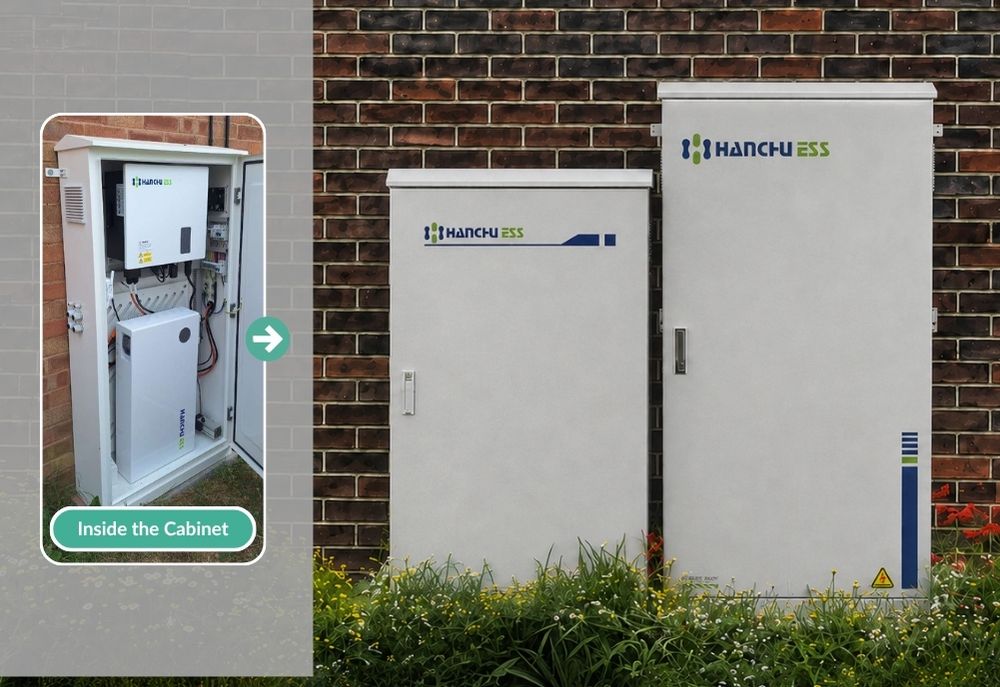
The heat-pump and inverter modules bring the heating and electrical sides of the installation together, creating one coordinated energy system rather than leaving each technology to operate in isolation. This connected layer also provides the foundation for live visibility, remote monitoring and system diagnostics.
Resident Outcomes
Why North Yorkshire Council Wanted a Connected Approach
For a social-housing retrofit, reducing carbon emissions is only part of the objective. The system also needs to support affordable warmth, improve comfort and help reduce the financial pressure that energy use can place on residents.
By combining efficient heat-pump operation with battery storage, lower-cost charging opportunities and ongoing performance monitoring, the project is designed to help the property use energy more intelligently. Just as importantly, it gives housing and technical teams better evidence of what happens after handover: how the system is performing, how energy is moving through the home and whether the intended benefits are being realised in day-to-day use.
“This new ASHP system has been designed to be more economical to run, helping tenants reduce their energy costs while improving comfort and supporting our journey towards lower-carbon homes.”
Align Property Partners
Reaching that outcome still depends on the fundamentals: accurate room-by-room heat-loss calculations, appropriate equipment selection, quality installation and commissioning. The connected monitoring layer then provides a way to check whether the complete system continues to perform as intended in real-world use.
Property-Level Intelligence
Complete Energy Control in One Place
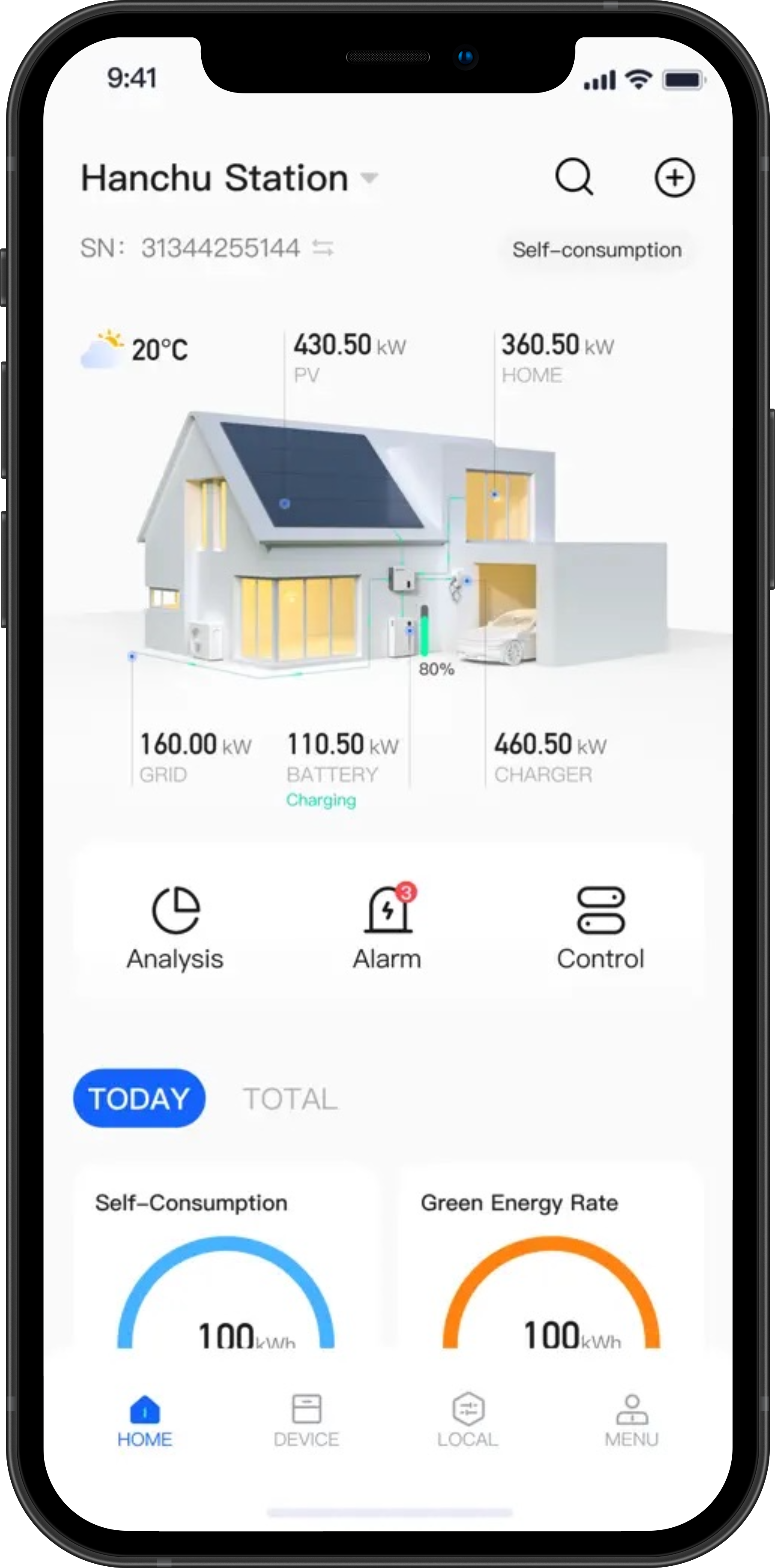
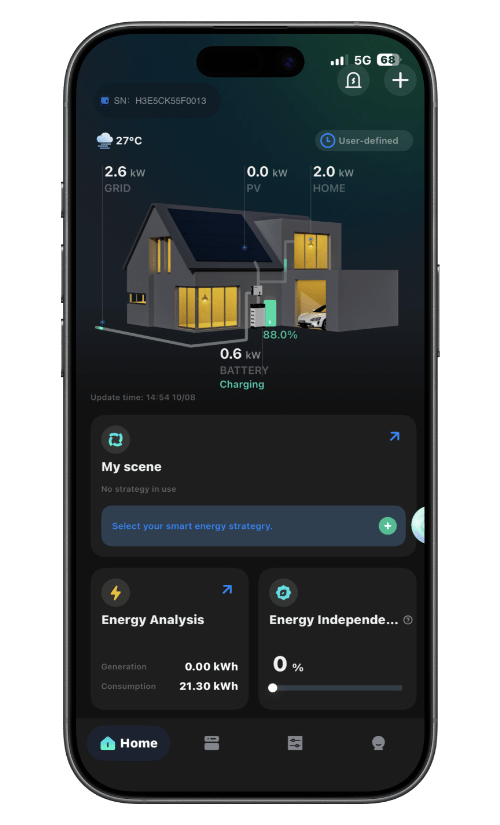
The HANCHU iESS platform brings monitoring, management and diagnostics into one interface, allowing an individual home energy system to be understood without moving between separate platforms for heating and storage.
Heat-pump and storage settings can be managed remotely, while technical teams can monitor up to 46 system parameters to build a much clearer picture of how the installation is operating at any given time.
That visibility supports remote diagnostics as well as day-to-day optimisation. Performance changes or potential issues can be investigated before deciding whether an on-site visit is required, giving installers and technical teams a more proactive way to support systems after commissioning.
System ParametersView detailed operating data across the connected system.
& DiagnosticsInvestigate performance changes before deciding whether an on-site visit is required.
Portfolio-Level Visibility
Centralised Monitoring Across Every Installation
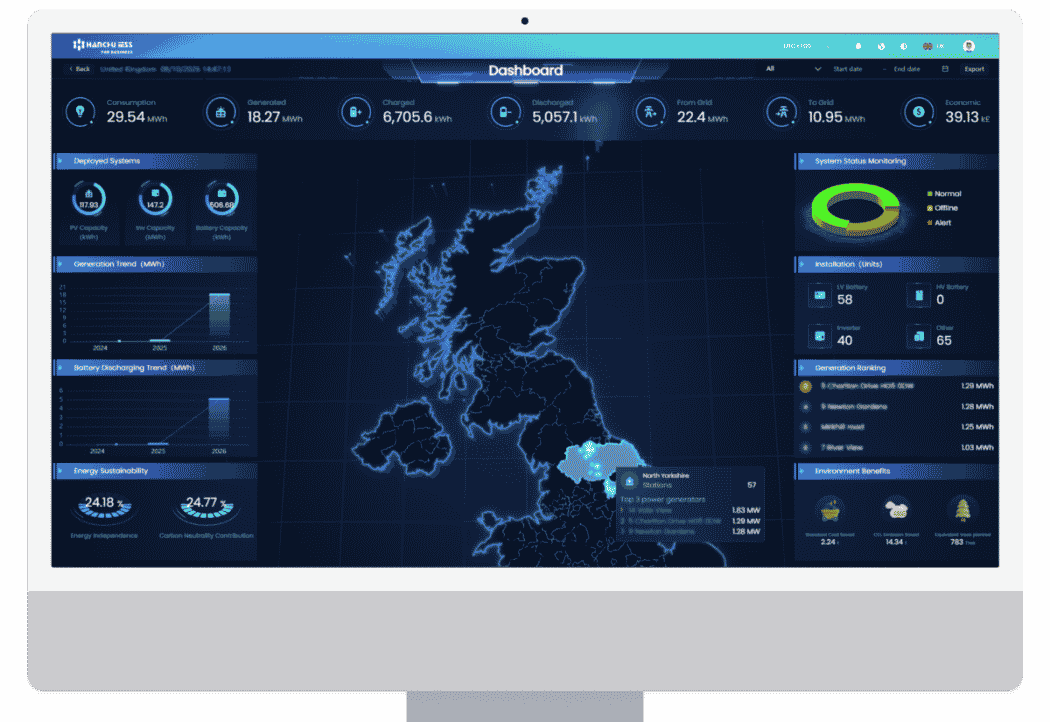
At portfolio level, the HANCHU ESS installer overview brings deployed systems together on one dashboard. Installers are the primary users of this information, with access configurable according to permissions, and individual installations can be opened directly for closer monitoring.
The dashboard creates a wider view across deployed systems, bringing together consumption and generation, battery charging and discharging, grid imports and exports, deployed capacity, live system status and installation-level performance. It also surfaces wider economic, energy-sustainability and environmental indicators, giving technical teams a clearer picture of how a portfolio is performing rather than relying on isolated property data.
Why This Matters at Council Scale
For councils and housing providers, this type of portfolio data creates an evidence layer around retrofit programmes. It can help show whether deployed systems are operating effectively, how energy is being generated, stored and imported, and how environmental and economic indicators change over time. Combined with household and resident-level evidence, that insight can support decisions aimed at reducing energy costs, demonstrating environmental benefit and tackling fuel poverty across housing stock.
Connected Council Homes
From Installed Technology to Measurable Performance
The significance of the North Yorkshire Council project is not any one heat pump, battery, radiator or inverter. It is the ability to bring those technologies together, manage them as one system and retain visibility of their performance after installation.
At property level that means better monitoring, control and diagnostics. At portfolio level it creates clearer evidence across multiple installations, helping housing and technical teams understand whether systems are operating as intended and informing future decisions around design, commissioning and the wider delivery of social-housing retrofit programmes.