
 Inverters
 Batteries
 Commercial
 EV Chargers
 Accessories
 Heat Pumps
 Radiators
 Greenlinx
The UK’s energy storage market has just received a wake-up call.
Following reports that GivEnergy Ltd appointed Christopher Brooksbank of CB Business Recovery as administrator on April 9 in Leeds, the industry is now confronting a serious question:
Who are you really buying from, and will they still be here in 5 to 10 years?
Recent developments highlight real risks across warranties, technical support, and project continuity. Installers, wholesalers, and end-users are now exposed to uncertainty around service, software, and long-term obligations.
This moment is bigger than one failed company.
It is about business structure, financial resilience, and long-term accountability.
Section 1: PLC vs Privately Owned: What’s the Real Difference?
1. Transparency & Financial Disclosure
What this means in practice:
With a PLC, stakeholders can assess risk early. While with private firms, issues often surface late – sometimes only when it’s too late.
2. Access to Capital & Stability
GivEnergy’s case highlights how quickly financial pressure can escalate in a competitive market, particularly with falling hardware prices and tightening margins.
3. Governance & Decision-Making
Speed can be an advantage – but lack of governance can become a real problem.
4. Long-Term Accountability
In the energy storage sector, long-term accountability is not a “nice to have”, it is fundamental.
A battery storage system is a 10-15 year commitment, reliant on warranties, software, and ongoing support. The key question is simple: will the manufacturer still be there to deliver it?
The difference isn’t whether risk exists – it’s how well it is managed.
And in a market where failures are becoming real, that distinction matters more than ever.
Section 2: The Reality: Most Battery Brands Are Not PLCs
Let’s be clear – this is not about just one company. Many well-known brands in the UK and global market are privately owned, including:
Section 3: Why This Matters for Installers & Commercial Buyers
1. Contract Supply Risk
If a manufacturer enters administration:
For installers, this can mean:
2. Warranty & Liability Exposure
In many cases:
This creates:
3. Council & Public Sector Projects
For larger-scale or public-funded projects:
The question is simple – When planning long-term solutions, would you choose a privately owned supplier, or a PLC designed to offer greater security and long-term accountability?
Section 4: The Bigger Question the Industry Must Ask
GivEnergy’s situation is not just a company story.
It is a structural reminder:
The Big Question: How To Choose the Right Supplier?
Going forward, selection criteria must evolve beyond:
Towards:
Section 5: Why You Should Choose HANCHU ESS
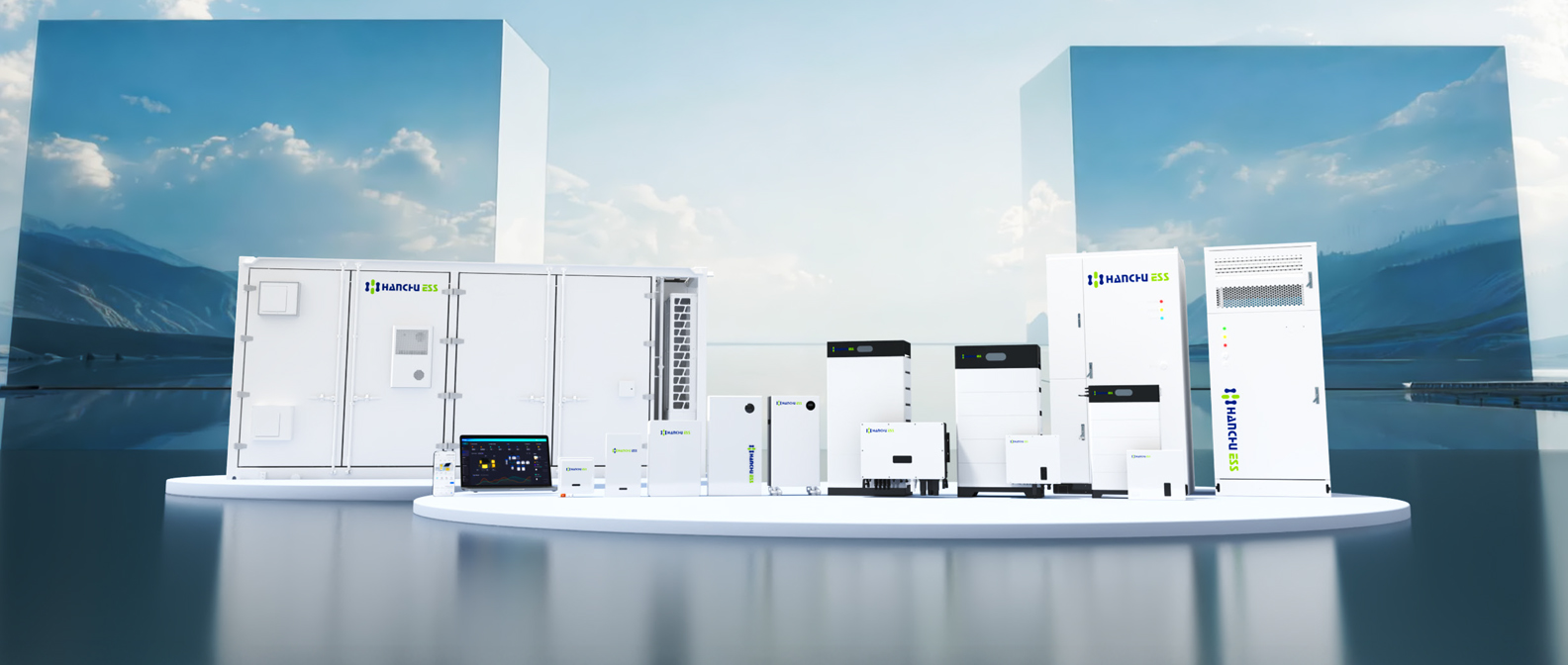
In light of recent events, the conversation is not about criticising individual brands – it’s about making more informed, lower-risk decisions.
This is where Hanchu ESS stands.
1. Backed by a Publicly Listed Group
Hanchu ESS is a brand owned by Guoxia Technology, a PLC listed on the Hong Kong Stock Exchange (Stock Code: 02655.HK).
This brings:
In contrast to privately owned manufacturers, this structure provides greater visibility and confidence in long-term stability.
2. Built for Long-Term Commitment
Hanchu’s positioning is aligned with:
This is particularly critical when considering warranty obligations and system performance over time.
3. Lower Risk for Installers & Distributors
For installers and distributors, choosing the right manufacturer is also about protecting your own business.
With Hanchu you can have:
This is especially important when taking on:
Final Word: Why Choosing the Right Supplier Matters
In a market shaped by rapid growth and increasing competition, resilience matters more than ever.
Choosing a supplier is no longer just a commercial decision – it is a risk management decision.
When selecting a supplier, ask:
Because in this market:
The real risk isn’t choosing the wrong product.
It’s choosing the wrong company behind it.